Fernweh Supply Co. is invented and sells nothing — the WooCommerce store under it is real, and so is every capability below. Open the chat and try the line under each one.
It answers from this shop, and says where from
The assistant is grounded in this store's own catalogue and its shipping, returns, privacy and terms pages — and nothing else. Ask it something only this shop knows and it answers with the real number; ask it something outside and it says so rather than inventing one.
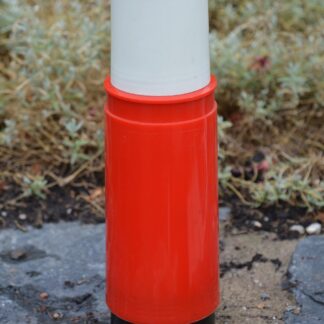
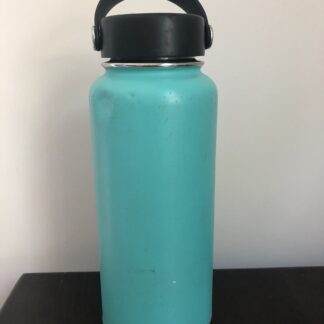
Try it “What is the Wanderweg made of, and how much does it weigh empty?”
Teach an assistant your own content →
It can use the page you are on
Six of this page's own actions are published to the assistant over WebMCP — search the range, read the cart, add a line, take one out, open a product, and check who is signed in. They run in your browser, in your session, through the same WooCommerce endpoints the buttons use, so nothing happens that you could not do by clicking. The list is readable without running the page at /webmcp-catalog.json.
Try it “Put a pair of merino socks in my cart, then tell me what is in it.”
Publish your page's actions →
It can reach the systems behind the shop
This store runs its own MCP server at /mcp. Three tools on it are open to anyone — search the range, read one product in full, read the delivery and returns tables — and three answer only about the customer whose identity the caller can prove. It advertises nothing it cannot serve.
Try it “Which packs under €150 are in stock right now?”
Connect your own MCP server →
It is a WooCommerce shop, connected as one
Under the storefront is a real WooCommerce installation: fourteen products with SKUs, stock counts, weights and dimensions, four shipping zones, a customer, five orders, and an open REST API. A merchant connects theirs the same way — the store's own REST keys on the workspace — so the assistant reads the live catalogue instead of a copy of it.
Try it “What is the Quelle 1L made of, and how many are left?”
Connect your WooCommerce store →
It knows who you are, once you say so
A demo customer is provided — Mara Oertel, with five real orders in five different states. Ask about an order and a sign-in card appears in the conversation; one click signs you in to this store and returns you to the same conversation, identified. The store signs a short-lived proof with its own key, which the platform checks against the key set this store publishes. No password is shared and no account is created.
Try it “Where has my last order got to?”
Recognise your signed-in customers →
It asks with a form, not a paragraph
When the assistant needs structured details — which order, which item, why it is going back — it mounts a card with real fields and a button inside the chat instead of listing things for you to type. Submitting the card calls the tool straight back.
Try it “I would like to return something from order 53.”
Ask with a card →
It hands you to a person
Ask for a human and the conversation is queued to this workspace's Inbox. An operator sees the whole transcript, who the visitor is if they signed in, which tools ran and what each one answered, and can take the conversation over mid-thread — the visitor keeps the same chat window.
Try it “Can I talk to a person about a repair?”
Set up human handoff →
It is readable without a browser
Every layer an agent looks for is served by this store: /llms.txt, /llms-full.txt, /agents.json and its /.well-known twin, /webmcp-catalog.json, a sitemap built from what is really published, and a robots.txt that names each AI crawler instead of leaving them to guess.
Try it “Read this shop's llms.txt and tell me what it can do.”
Check your own site →